Cardboard Velocity: The Quiet, Brutal Sprint of Competitive Jigsaw Puzzling
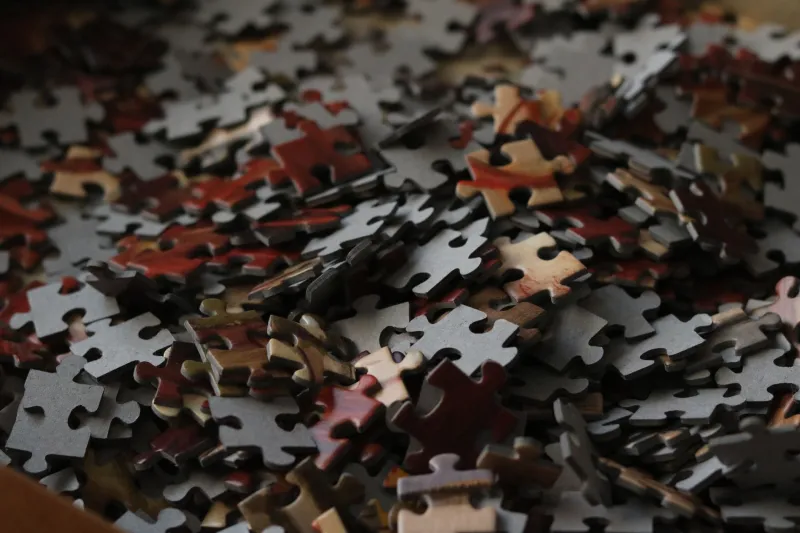
On a Saturday morning in a convention hall outside Chicago, the loudest sound is cardboard. Hundreds of competitors stand behind folding tables, hands hovering over sealed boxes. A referee calls the start. Boxes open. Pieces hit the table in soft, frantic waves. Welcome to competitive jigsaw puzzle racing, where the vibe is library-quiet and the stakes are strangely serious.
Speed puzzling has moved from living rooms to hotel ballrooms, brewery back rooms, and regional championship floors. The 2026 season includes solo and pairs divisions, 500-piece sprints, 1,000-piece endurance rounds, and enough cash and sponsor swag to make the drive to Ohio worth it. The sport is still friendly. It is also absolutely not casual.
The Rules Are Simple. The Race Is Not.
Most events follow a familiar format: same puzzle for every table, sealed box, timed start, no looking at the picture before go. Some competitions allow a brief box-cover glance; others do not. Competitors can sort, stack, flip, and mutter, but they cannot accept help, trade pieces, or wander into another racer’s lane. A dropped piece is yours to rescue. A missing piece is a crisis.
The clock changes everything. A puzzle that feels meditative at home becomes a series of tiny decisions. Do you build the border first? Sort by color? Hunt for distinctive cuts? Chase the box image or trust the shape of a blue sky? Every choice costs seconds. At the top level, racers talk about piece ‘reads,’ table geometry, and hand economy the way runners talk about splits.
Training Looks Like Homework
Elite speed puzzlers do not just puzzle more. They practice deliberately. Many keep spreadsheets of personal bests, track split times by puzzle section, and drill the same 500-piece image until they know its weird little flower cluster by heart. Some train with podcasts on, then with silence, then with a crowd noise track. Others work on sorting speed alone: dump, flip, scan, group, repeat.
The physical side is real, if understated. Shoulders tense. Neck cramps happen. Good racers learn to stand, breathe, and keep their non-dominant hand moving. Table setup matters too. Trays, sorting mats, and portable boards are common, but some events restrict them. The best competitors arrive early to test table height, lighting, and elbow room. In puzzle racing, a wobbly table is a legitimate excuse.
Etiquette by the Piece
The culture has its own unwritten code. No hovering over another racer’s shoulder. No loud sighs when someone snaps in a border. No asking the referee to check a competitor’s sorting method unless you want to become the villain of the heat. And absolutely no ‘helpful’ pointing. Pieces stay in your zone.
Veterans say the biggest rookie mistake is panic-sorting. New racers dump the whole box, freeze, then start building tiny disconnected islands. Experienced puzzlers impose order fast: edges, then color blocks, then distinctive textures, then the dreaded all-blue section. The second biggest mistake is ignoring the clock until it is almost gone.
The Stars and the Money
The circuit is still small enough that you can recognize regulars. There are retired teachers who puzzle like surgeons, college students who stream their practice runs, and pairs teams made up of siblings who communicate in grunts. Sponsors are mostly puzzle brands, local game stores, and event venues, but prize pools are growing. A good weekend can pay for gas, a hotel night, and a few new boxes. A great season can maybe cover the hobby. Maybe.
That is part of the charm. Competitive puzzling is not yet a gold rush. It is a community with a stopwatch. People come for the challenge, stay for the weird camaraderie, and leave with a plastic trophy and a fresh personal best. The 2026 scene feels like a sport in its awkward, exciting adolescence.
Why It Works
In a noisy era, jigsaw puzzle racing offers something rare: a contest you can watch in near silence. Fans lean over barriers, tracking hands and half-finished skies. When a final piece clicks, the crowd does not roar so much as exhale. Then everyone checks the clock.
The quietest race in America may also be the most relatable. Everyone has opened a puzzle box and thought, ‘I could do this faster.’ The racers are simply the ones who timed it, trained for it, and showed up to prove it. Piece by piece.