Glass, Grit, and Glory: Inside the Surprisingly Serious World of Competitive Marble Shooting
The Shooter You Never Saw Coming
Picture this: a grown adult crouched low over a chalk circle in a gymnasium in Tulsa, Oklahoma, index finger curled tight around a gleaming 5/8-inch glass shooter, eyes locked on a cluster of target marbles like a sniper zeroing in. The crowd around them is hushed. Someone's streaming it live. There are cash prizes on the line.
This isn't a throwback novelty act or some quirky segment on a late-night show. This is competitive marble shooting in 2024, and it's more intense than most people could ever imagine.
Over the past several years, a small but fiercely dedicated community of players has transformed what most Americans remember as a dusty childhood distraction into a structured, skill-based sport with its own rulebooks, equipment standards, and a growing fan base that stretches coast to coast. If you haven't been paying attention, you've been sleeping on one of the most fascinating niche sports revivals in the country.
From Dirt Circles to Digital Arenas
Marbles have been around for centuries — ancient versions made of clay and stone have been found in Egyptian tombs and Roman ruins. In America, the game peaked in popularity during the early-to-mid 20th century, when kids across the country were flicking shooters in schoolyard rings and trading their prized cat's-eyes like currency.
Then video games happened. Then the internet. And marbles faded into the background, the kind of thing you'd find at the bottom of a junk drawer or in a dusty jar at your grandma's house.
But here's the thing about niche hobbies: they never really die. They just go underground, find their people, and wait.
The modern marble renaissance can be traced back to a combination of factors — YouTube rabbit holes, pandemic-era boredom driving people toward analog activities, and, perhaps most importantly, the unexpected viral explosion of marble racing content online. Channels dedicated to marble runs and racing events racked up millions of views, introducing a whole new generation to the hypnotic appeal of watching small spheres do extraordinary things.
From there, it was only a matter of time before the competitive side of the hobby found its footing.
Meet the Marble Athletes
Calling them "players" almost undersells it. The top competitors in the American marble circuit train with a level of dedication that would surprise even the most open-minded sports fan.
Take someone like Derek "Knuckle Down" Harmon out of Columbus, Ohio — a former machinist who started competing in regional tournaments about six years ago and now travels the country attending sanctioned events. He practices his shooting form for upward of an hour daily, focusing on consistency, finger placement, and what he calls "release tension" — the precise amount of pressure applied at the moment the marble leaves the hand.
"People think it's random," Harmon told a regional hobby publication last year. "It's not random at all. Every shot is physics. You learn to control the physics."
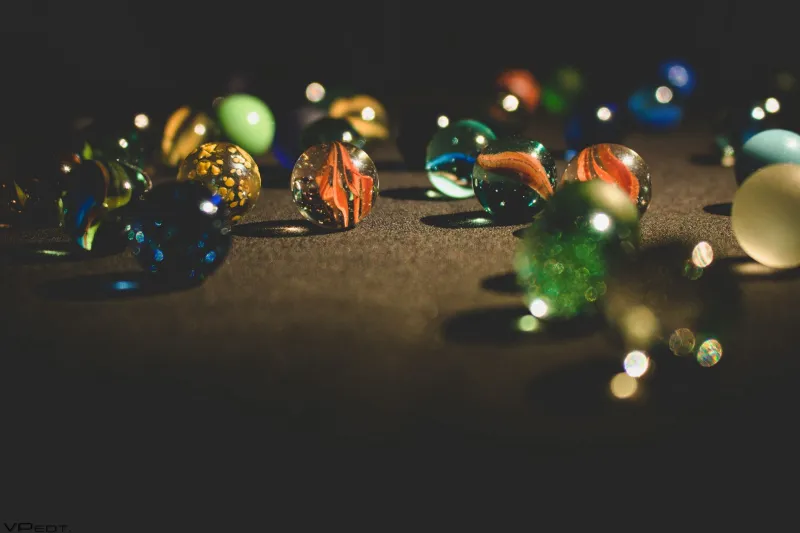
Then there's the equipment side of things, which is its own deep rabbit hole. Serious competitors aren't playing with the bag of mixed marbles you bought at Target. They're using precision-manufactured glass or steel shooters, carefully selected for weight, diameter, and surface consistency. Some players maintain a personal collection of dozens of shooters, each suited for different ring sizes, floor surfaces, or shot types.
Specialty marble suppliers — many of them small American artisan businesses — have seen a noticeable uptick in orders from competitive players. Handmade borosilicate glass shooters, crafted with specific weight distributions, can run anywhere from $30 to over $200 a piece. Yes, per marble.
The Tournament Scene Is Heating Up
Organized competitive marble shooting in the U.S. operates through a patchwork of regional clubs, independent organizers, and a handful of national bodies working to standardize rules and rankings. The British Marbles Board of Control has long been the international governing authority, but American players are increasingly pushing for a distinctly domestic competitive framework.
Tournaments are typically structured around the traditional game of "Ringer" — a 10-foot diameter ring where players attempt to knock 13 target marbles out of the circle using their shooter — though trick shot competitions and team formats have been gaining popularity at the regional level.
Prize pools have grown considerably. Mid-tier regional events now regularly offer cash payouts in the hundreds of dollars, while larger invitational tournaments have crossed into the low thousands. A handful of well-publicized championship events have drawn sponsorship interest from hobby retailers, artisan marble makers, and even a few mainstream brands testing the waters of niche sports marketing.
The spectator experience has also leveled up. Organizers have gotten smarter about presentation — overhead cameras, slow-motion replays, and commentary tracks have made livestreamed marble events genuinely compelling to watch. Some tournament streams have pulled in viewer counts that rival small regional esports events, which has caught the attention of sports media folks who previously would've laughed the topic out of the room.
Social Media Did the Heavy Lifting
If marble shooting has a secret weapon, it's short-form video. TikTok and Instagram Reels have been absolute rocket fuel for the hobby's visibility. Clips of perfectly executed trick shots — a marble banking off two walls before clipping a target dead center, or a shooter threading a gap the width of a pencil — rack up hundreds of thousands of views with almost no promotion behind them.
The content is viscerally satisfying in the same way that satisfying craft videos or oddly pleasing compilation clips are. There's something deeply human about watching a small object behave exactly as intended after tremendous skill is applied. It hits a reward center in the brain that transcends age or background.
Content creators within the marble community have built genuine followings by documenting their training, reviewing equipment, and breaking down the strategy behind top-level play. This kind of grassroots media ecosystem is exactly how niche sports grow their audiences — one curious viewer at a time.
Why It Matters Beyond the Ring
What's happening with competitive marble shooting is a microcosm of something bigger going on in American hobby culture. People are hungry for activities that are tactile, skill-based, and community-driven. They want something real to get good at — something that rewards practice and patience in a world that often feels like it's moving too fast for either.
Marble shooting delivers all of that, plus the added bonus of being deeply, unapologetically weird in the best possible way. It's a sport that doesn't take itself so seriously that it forgets to be fun, but takes the craft seriously enough that real mastery is required.
Whether you're a curious newcomer who just wants to flick a few shooters on a lazy Sunday or a dedicated competitor eyeing your first tournament podium, the marble community is genuinely welcoming. Most regional clubs host open practice days, and the barrier to entry — a handful of marbles and a chalk circle — is about as low as it gets in competitive sports.
So maybe dig through that junk drawer. Dust off that old jar. The ring is open, and it turns out knuckling down is a lot more interesting than anyone remembered.