Scissors, Glue, and Cold Hard Cash: The Rise of Professional Scrapbooking in America
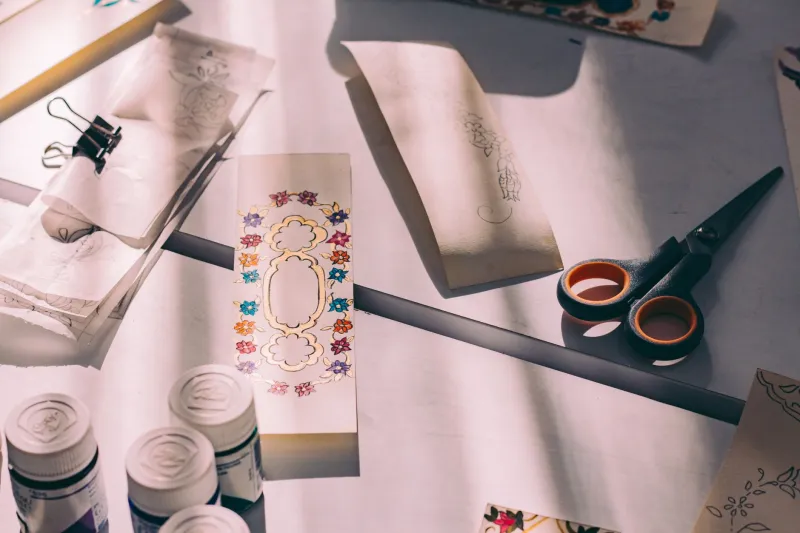
Picture this: a convention hall in Columbus, Ohio, packed wall to wall with competitors hunched over folding tables, precision-cutting cardstock with the focus of surgeons. The air smells like adhesive and ambition. Welcome to the National Scrapbooking Championship — and yes, it's absolutely a real thing, and yes, people are winning serious money here.
Scrapbooking has long carried a reputation as the kind of hobby your aunt does while watching Hallmark movies on a Sunday afternoon. Cozy, nostalgic, harmless. But over the past decade, a dedicated community of artists and competitors has quietly dismantled that image, piece by embellished piece. Today, the professional scrapbooking world is a full-blown niche industry, complete with sponsorship deals, brand rivalries, and competitors who treat their craft with the same intensity as any other professional athlete.
The Numbers Don't Lie
The scrapbooking industry in the United States generates over $2 billion annually, according to market research tracking hobby and craft spending. While a big chunk of that comes from casual hobbyists picking up supplies at Michaels or Hobby Lobby, a growing slice is flowing directly into the competitive circuit — and back out into the pockets of its top players.
Major events like CHA (Craft & Hobby Association) trade shows and independently organized competitions across states like Utah, Texas, and Florida now offer prize purses ranging from a few hundred dollars at local level to upwards of $10,000 at national invitationals. Add in sponsored appearances, affiliate partnerships with paper and die-cut manufacturers, and exclusive product collaborations, and you've got a handful of competitors clearing six figures annually from what most people still think of as a basement hobby.
"People laugh when I tell them what I do," says Maya Delacroix, a competitive scrapbooker out of Nashville who has placed in the top three at multiple national events. "Then I tell them what I made last year and they stop laughing real quick."
The Craft Behind the Competition
To the uninitiated, scrapbooking might seem like sticking photos on pretty paper. Competitors will tell you that's like saying chess is just moving pieces around a board.
At the professional level, layouts — the industry term for a finished scrapbook page or spread — are judged on a complex rubric that includes design balance, color theory application, layering technique, journaling quality, and overall storytelling cohesion. Judges at sanctioned events often include graphic designers, professional photographers, and former competitors who know exactly what separates a good layout from a great one.
Top competitors spend hours on a single page. They study color wheel principles, experiment with mixed media techniques borrowed from fine art, and often maintain meticulously organized supply collections worth thousands of dollars. Some even travel to manufacturer headquarters for early access to unreleased product lines — a perk that doubles as both competitive advantage and brand partnership opportunity.
"My supply room is probably more organized than most people's offices," laughs Derek Fontaine, a Chicago-based competitor who runs a popular YouTube channel alongside his competition career. "I've got a spreadsheet for my paper collections. My wife thinks I've lost it. But I've also won three regional titles, so."
Community, Rivalry, and the Drama You Didn't Expect
Like any competitive community, the scrapbooking circuit has its share of interpersonal dynamics that go well beyond friendly crafting circles. Online forums, Facebook groups, and Instagram communities have become both networking hubs and, occasionally, battlegrounds.
There are ongoing debates about the legitimacy of digital-assisted layouts versus purely hand-crafted ones. There are whispers about certain competitors receiving preferential treatment from sponsors. And there's a long-running tension between the old guard — veteran crafters who built the community in the early 2000s — and a younger wave of creators who came up through social media and bring a distinctly modern aesthetic to their layouts.
"The community is mostly incredibly supportive," says Delacroix. "But when real money and real recognition are on the line, people get competitive. Which honestly just makes the wins feel better."
Regional rivalries are very much a thing. The Utah scrapbooking scene, long considered the heartland of the hobby thanks to the concentration of major craft brands headquartered there, has a reputation for producing technically precise competitors. Meanwhile, creators from the Pacific Northwest tend to lean into moody, nature-inspired aesthetics that have been cleaning up in trend-forward categories at recent nationals.
Turning Pages into a Business
For the most entrepreneurially minded competitors, the competition itself is almost secondary to what it unlocks. Placing well at a recognized event is essentially a credential — one that opens doors to brand ambassadorships, teaching slots at conventions, and the kind of social media credibility that translates directly into product sales.
Several top competitors have launched their own lines of stamps, stencils, and embellishments through partnerships with manufacturers like Heidi Swapp or American Crafts. Others have built subscription box businesses, selling curated monthly kits to hobbyists who want to recreate competition-worthy layouts at home.
Fontaine's YouTube channel now pulls in enough ad revenue and affiliate income that it outpaces what he makes from competition prizes alone. "The competition is where I build my reputation," he explains. "The content is where I build my business. They feed each other."
What's Next for Competitive Scrapbooking
The trajectory looks genuinely promising. Younger creators, many of them discovering the hobby through TikTok and Pinterest, are injecting fresh energy and aesthetics into a community that was in danger of aging out. Convention attendance numbers have been climbing steadily post-pandemic. And a few organizers are reportedly in discussions about creating a more formalized national ranking system — something that would give the competitive circuit the kind of structure and legitimacy that's helped other niche hobbies (think competitive knitting or professional pinball) build mainstream awareness.
There's also growing interest from craft brands in investing more heavily in the competitive scene as a marketing vehicle. When the top competitors in your niche are influencers with hundreds of thousands of followers, sponsoring their competition appearances starts looking like a very smart advertising spend.
For anyone who's ever dismissed scrapbooking as a hobby without stakes, the current landscape is a pretty compelling argument to reconsider. These creators are building real careers, real communities, and real legacies — one meticulously layered page at a time.
And somewhere in a convention hall in Columbus, someone is about to win enough money to fund their entire supply room for the next two years. Don't sleep on the scrapbookers.