Weld, Bolt, Destroy: Inside America's Garage-Built Robot Fight Clubs
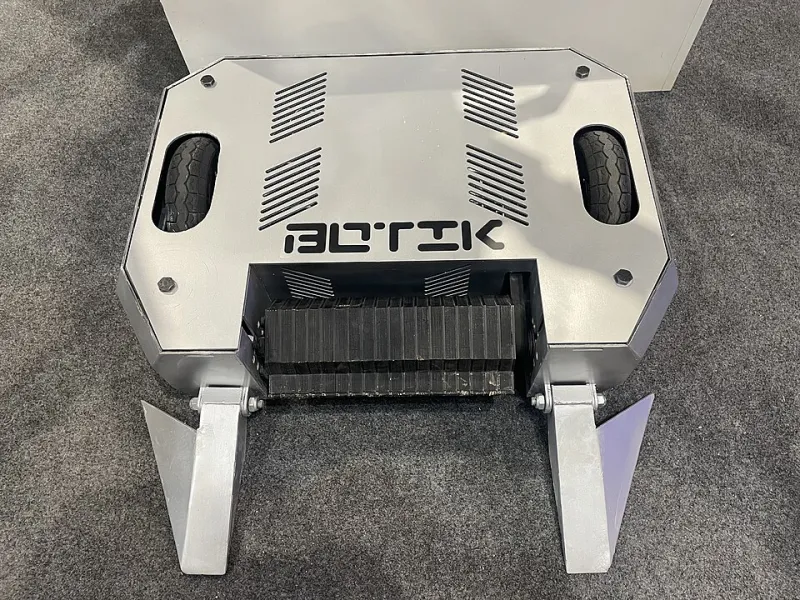
Photo: Mrshaxas, CC BY-SA 4.0, via Wikimedia Commons
The arena is a polycarbonate box the size of a hot tub, and the crowd is pressed against it like it's the octagon at UFC 300. Inside, a wedge-shaped robot named 'Angry Baguette' is getting flung six feet in the air by a horizontal spinner called 'Lawnmower of Doom.' Three seconds later, it's over. The baguette is dead. The crowd roars anyway.
Welcome to the amateur combat robotics scene — the gnarliest hobby in America that your uncle has never heard of.
From TV Gimmick to Garage Obsession
Most people think robot fighting died with the early-aughts TV boom. The truth is the opposite: when the cameras left, the hobby got better. Freed from network budgets and producer meddling, builders started engineering for pure performance. Today's amateur scene runs on classes like 'beetleweights' (3-pound machines) and 'antweights' (just 1 pound), where every gram counts and a 3D-printed chassis can be as deadly as a machined aluminum one.
The barrier to entry has never been lower. A competitive beetleweight can be built for $300–$500 using hobby motors, brushless ESCs, and parts printed overnight. But the ceiling? Talk to builders in Dallas or Detroit and you'll hear about wedge bots with $4,000 in titanium and custom-machined armor. This is a hobby that scales with your paycheck and your pain tolerance.
The People Behind the Machines
Spend a weekend at a regional event — places like Norwalk Havoc in Connecticut or one of the dozens of events on the RobotCombat calendar — and you'll meet a fascinating cross-section of America: machinists, high school robotics club alumni, software engineers, a surprising number of nurses, and at least one retired air traffic controller who builds spinners that hit like a fastball.
Ask any builder why they do it and you'll get the same answer with different words: it's the only hobby where you design, build, and then literally watch your work get destroyed — then rebuild it better. There's a Buddhist quality to it. Your bot will get wrecked. The question is what you learned.
The Economics of Destruction
Here's the part nobody expects: some of these builders are making money. Top competitors land sponsorships from tool brands and motor companies. A few run YouTube channels with six-figure followings, monetizing build videos and post-match teardowns. Others sell kits and parts to newcomers, creating a small but real cottage economy around polycarbonate, UHMW plastic, and weapon motors.
Regional arenas are quietly filling up, too. Event organizers report sellout crowds in markets you wouldn't expect — county fairgrounds in Ohio, makerspace fundraisers in Portland. Ticket prices are modest, but the merch tables move, and the energy is unmistakably that of a sport finding its footing.
One Viral Moment Away?
The big question hanging over the scene is whether it's primed for a mainstream break. The pieces are there: short-form video is made for 90-second robot destruction, the builder community is highly online, and the DIY engineering angle plays perfectly to a generation raised on FIRST Robotics and BattleBots reruns.
Skeptics point out the scene has heard this before. But there's a difference this time: the infrastructure. Dozens of sanctioned events, standardized weight classes, safety protocols refined over two decades, and a talent pipeline running from kitchen-table builders to televised competitions.
Whether or not the cameras come back, the builders aren't waiting. There's a bot to finish, a wedge to re-weld, and a baguette to avenge. In garage workshops from Fresno to Boston, the next fight is always already under construction.